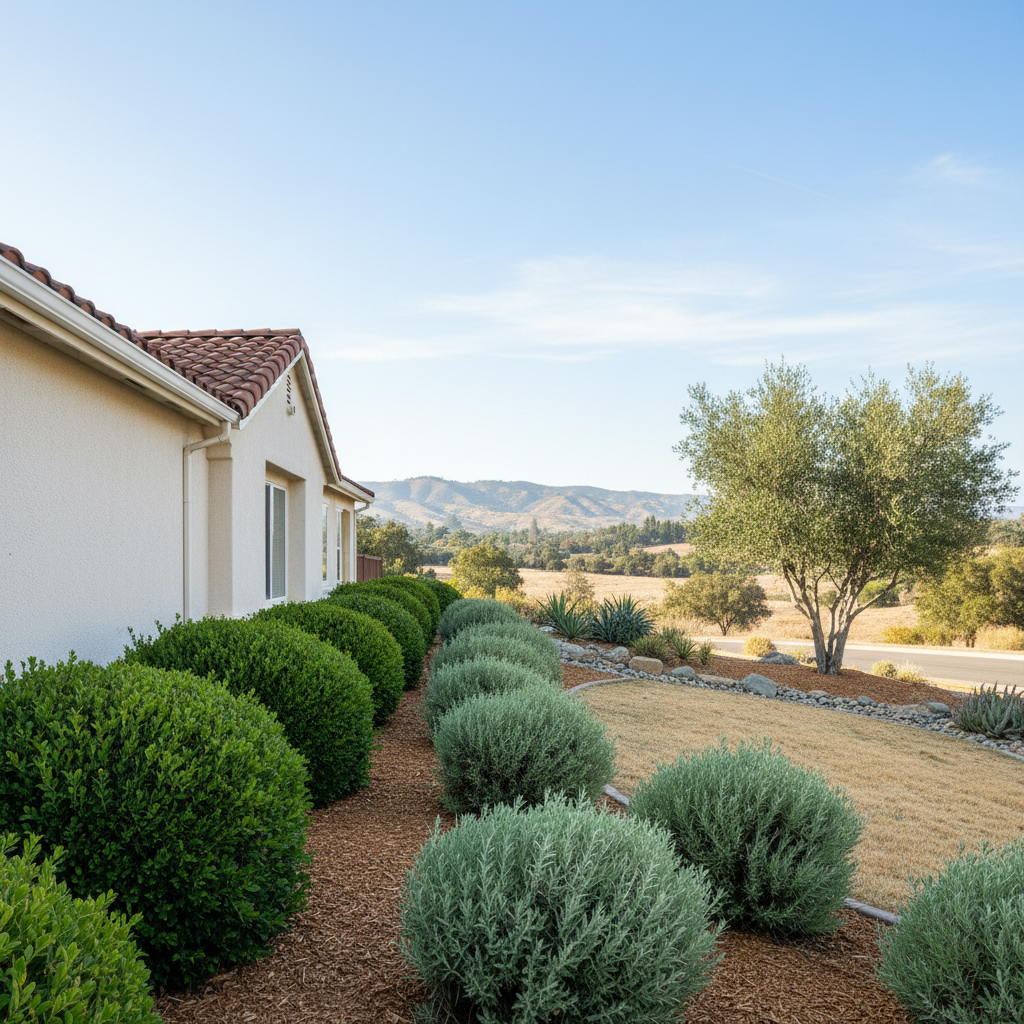
You just had your shrubs and bushes trimmed, and your yard looks amazing. The lines are clean, everything's shaped up, and you're feeling good about your property. But that perfect look isn't going to last forever on its own, especially with our Ventura County sun and the way things grow around here. So, what do you do to keep that fresh-cut look and make sure your plants stay healthy? Let's get into it.
Extending the Life of Your Trimmed Shrubs
When we finish a job, whether it's a big overhaul or just a quick tidy-up, the goal isn't just for it to look good today. It's about setting your plants up for success. To really extend the life of that trim, you've got to think about a few things beyond just the cut itself.
- Proper Watering is Key: This is huge, especially in Camarillo. After a good trim, your plants might be a little stressed. They've just had a haircut, so to speak. Consistent, deep watering helps them recover and encourages healthy new growth. Don't just sprinkle; get that water down to the roots. For many of the common hedges we see, like Pittosporum or Eugenia, deep watering once or twice a week during dry spells is far better than daily shallow watering.
- Mulch, Mulch, Mulch: Seriously, I can't say this enough. A good layer of organic mulch around the base of your shrubs does wonders. It helps retain soil moisture, suppresses weeds (which compete for nutrients), and keeps soil temperatures more consistent. This means less stress on your plants and more energy going into healthy growth, not just recovering from heat or drought.
- Don't Over-Fertilize: After a trim, some folks think more fertilizer equals faster recovery. Not always. If your plants are already healthy, a balanced, slow-release fertilizer once or twice a year is usually plenty. Too much can actually burn the roots or encourage weak, leggy growth that won't hold its shape.
What Regular Maintenance Looks Like
Okay, so you've got the initial care down. What about the ongoing stuff? This isn't about another big trim, but more like a touch-up to keep things neat and prevent problems from escalating.
- Light Pruning for Shape: Between major trims, you can do some light 'tidying up' yourself. Grab a pair of sharp hand pruners and snip off any small, errant branches that are sticking out or ruining the shape. Think of it like getting a haircut and then trimming a few stray hairs yourself a week later.
- Keep an Eye on Growth: Different shrubs grow at different rates. Some, like Privet hedges, can really take off fast, especially with our mild winters and warm springs. Others, like Boxwood, are slower. Knowing your plants helps you anticipate when they'll start looking shaggy again.
- Clean Up Debris: Make sure fallen leaves and old clippings aren't piling up around the base of your shrubs. This can harbor pests and diseases, and it just looks messy. Good airflow is important for plant health.
Warning Signs of Problems
Your plants are pretty good at telling you when something's wrong, if you know what to look for. Catching these signs early can save you a lot of headache and expense down the road.
- Discolored or Wilting Leaves: Yellowing leaves can mean too much or too little water, or a nutrient deficiency. Brown, crispy leaves often point to drought stress or sun scorch. Wilting usually means a watering issue or root problems.
- Unusual Spots or Growths: Keep an eye out for strange spots on leaves, powdery mildew, or any odd growths on stems. These could be signs of fungal diseases or insect infestations.
- Pests: Little critters like aphids, spider mites, or scale can do a lot of damage. Check the undersides of leaves and along stems for tiny bugs or sticky residue (honeydew).
- Branches Dying Back: If you see whole sections of a shrub turning brown and dying, that's a red flag. It could be disease, severe pest damage, or even root rot from overwatering, which is something we see sometimes in areas with heavier clay soils around Camarillo.
- Poor Flowering/Fruiting: If a shrub that's supposed to flower isn't, or its flowers are stunted, something's off.
When to Call a Professional
Look, I'm a big believer in homeowners doing what they can. But there are times when you really need to bring in the pros. That's where Oasis Tree comes in.
- Major Reshaping or Reduction: If your shrubs have gotten completely out of hand, trying to tackle a massive reduction or reshape can be tricky. You risk damaging the plant or ending up with an ugly, uneven mess. We know how to cut back without stressing the plant too much or ruining its natural form.
- Disease or Pest Identification/Treatment: If you're seeing those warning signs and you're not sure what's going on, or how to treat it, call us. Misdiagnosing a plant problem can lead to making it worse. We can identify the issue and recommend the best course of action.
- Safety Concerns: If you're dealing with tall hedges that require ladders, or shrubs near power lines, it's just not worth the risk. We've got the right equipment and training to do it safely.
- You Just Don't Have the Time or Tools: Let's be honest, life gets busy. If you don't have the time, the right sharp tools, or the inclination, that's perfectly fine. We're here to help keep your landscape looking its best without you having to lift a finger.
- Regular Scheduled Maintenance: Many of our clients opt for scheduled maintenance. We come out once or twice a year, or whatever makes sense for their specific plants, and handle all the trimming and shaping. It takes the guesswork out of it for you and ensures your shrubs always look fantastic.
Taking a little time for post-trim care and keeping an eye on your plants will make a huge difference. You'll keep your landscape looking sharp, and your shrubs will thank you for it by staying healthy and vibrant for years to come.