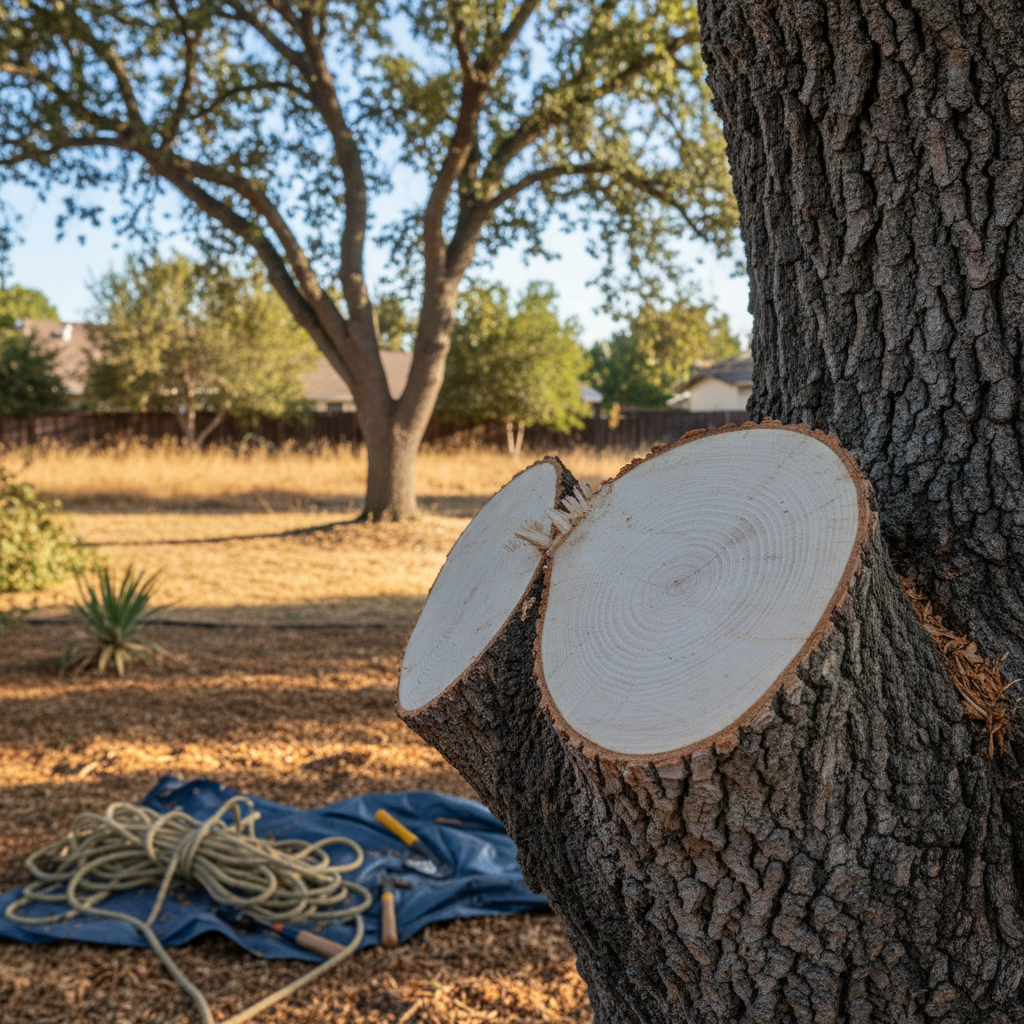
When's the best time to prune my trees?
This is probably the most common question I get, and honestly, it depends on the tree. For most deciduous trees – the ones that lose their leaves – late fall or winter is usually ideal. They're dormant then, so pruning causes less stress, and you can see the branch structure clearly without all the foliage. For evergreen trees, it's a bit more flexible, but generally, late winter to early spring, before new growth really kicks in, is a good bet. If you're dealing with fruit trees, that's a whole other ballgame, and timing is crucial for a good harvest. The main thing to avoid is pruning during the hottest parts of summer or when they're actively flushing out new growth, as that can really stress them out and make them vulnerable to pests and diseases.
How much water do my trees really need in our climate?
Ah, water. In Camarillo, with our dry summers and often mild winters, this is critical. Established trees generally need deep, infrequent watering rather than frequent, shallow sprinkles. Think about it: you want the water to soak down deep, encouraging roots to grow downwards, not just stay near the surface. For a mature tree, that might mean a good, slow soak once every couple of weeks during the dry season. Younger trees, especially in their first few years, need more frequent watering – maybe once or twice a week, depending on how hot it is and what kind of soil you have. Our clay-heavy soils in some parts of Camarillo, like around Mission Oaks, can hold water for a while, so overwatering is a real risk. Stick your finger in the soil a few inches down; if it's dry, water. If it's still damp, wait.
My tree looks sick. What should I do first?
First off, don't panic. A lot of things can make a tree look