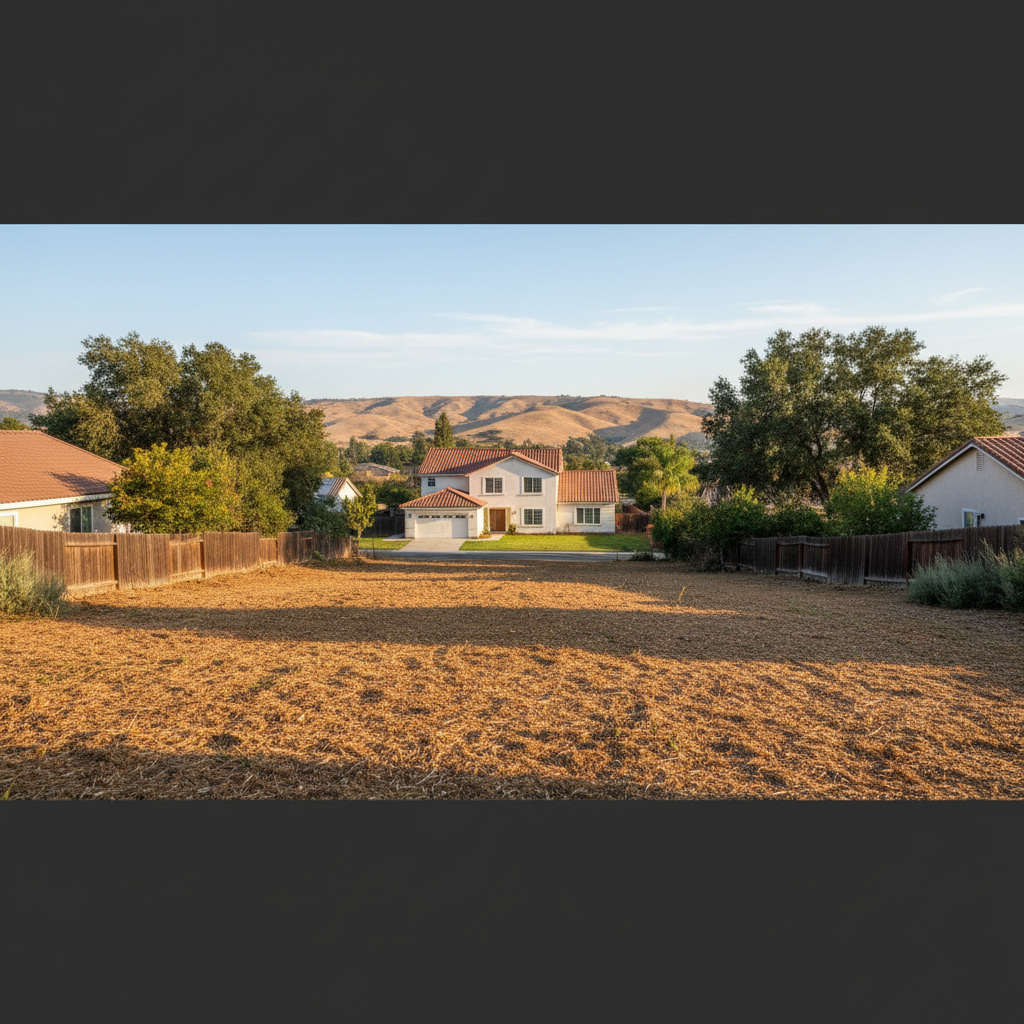
So, you’re looking at a piece of land in Camarillo and thinking, “It’s time to clear this mess.” Maybe you’re building, maybe you just bought a property that’s been neglected, or maybe you’re finally tackling that overgrown back forty. Whatever the reason, lot clearing isn’t just about showing up with a chainsaw and a bulldozer. It’s a project that needs thought, planning, and the right approach to get it done safely and efficiently.
What’s the Timeline for Lot Clearing?
Let’s talk about how long this whole thing takes. There’s no single answer because every lot is different. A small, lightly overgrown residential lot in a developed neighborhood like Mission Oaks, where you’re just pulling out some scrub and a few small trees, might only take a few days. But if you’ve got a larger parcel, say, a couple of acres out toward the foothills with dense chaparral, mature oaks, or even some old structures, you’re looking at weeks, maybe even a month or more.
Here’s what influences the timeline:
- Size of the lot: Bigger lots, more time. Simple as that.
- Density of vegetation: Is it light brush or a jungle of mature trees and invasive species?
- Type of vegetation: Removing a few small shrubs is different from taking down a dozen large, deep-rooted trees.
- Accessibility: Can equipment easily get in and out? Steep slopes, narrow access points, or soft soil (especially after some of our winter rains) can slow things down considerably.
- Permits: This is a big one. Depending on what you’re clearing and where, you might need permits from the city, county, or even the Ventura County Air Pollution Control District for burning. Don't skip this step; it can add weeks or months to your planning phase.
- Weather: We generally have great weather here, but high winds can halt tree work, and heavy rains can turn a job site into a muddy mess, making it unsafe for heavy equipment.
My advice? Start planning early. Don’t expect to call someone on Monday and have your lot cleared by Friday, especially if it’s a big job.
What to Expect During the Process
When you hire a professional company like Oasis Tree, here’s a general idea of how things will go:
- Initial Assessment & Quote: We’ll come out, walk the property with you, and discuss your goals. We’ll look at the type of vegetation, terrain, access, and any potential challenges. Then, we’ll give you a detailed quote.
- Permitting (if needed): If permits are required, we can guide you through the process or handle it for you. This often involves site plans, arborist reports, and applications.
- Site Preparation: Before any heavy machinery rolls in, we’ll mark out areas, set up safety zones, and protect anything you want to keep.
- Vegetation Removal: This is the main event. Depending on the scope, we might use chainsaws, chippers, excavators, mulchers, or even specialized forestry equipment. Trees are taken down safely, brush is cleared, and stumps are typically ground down.
- Debris Management: All that vegetation has to go somewhere. We’ll chip smaller branches on-site for mulch (if you want it) or haul everything away.
- Final Grading & Cleanup: Once the vegetation is gone, we’ll do a final pass, ensuring the site is clean and, if requested, roughly graded to your specifications.
It’s going to be noisy, dusty, and there will be a lot of activity. We do our best to minimize disruption, but it’s a construction zone for a while.
How to Prepare Your Property
You can do a few things to make the process smoother and potentially save some money:
- Clear the clutter: Remove any personal items, old furniture, trash, or anything else you don’t want cleared away.
- Mark utilities: If you know where underground utilities (irrigation lines, septic tanks, power lines) are, mark them clearly. If you’re unsure, call 811 before any digging starts.
- Discuss what to keep: Point out any specific trees, shrubs, or features you want to preserve. Don’t assume we know what’s important to you.
- Talk to your neighbors: Let them know what’s happening. A heads-up about noise and activity goes a long way in maintaining good neighborly relations.
- Secure pets: Keep your animals safely indoors or away from the work area.
Questions to Ask Before Signing a Contract
This is crucial. Don’t just go with the first quote. Ask these questions:
- Are you licensed and insured? This isn’t optional. Make sure they have a C-27 Landscape Contractor license (or a relevant general contractor license if the scope is broader) and carry general liability and workers’ compensation insurance. Ask for proof.
- What’s included in the quote? Does it cover all labor, equipment, debris removal, and stump grinding? Are there any hidden fees?
- Do you handle permits? If not, what’s my responsibility, and what do I need to do?
- What’s your estimated timeline? Get a realistic timeframe for completion.
- How will you protect areas I want to keep? What measures will be taken to prevent damage to existing structures, landscaping, or neighboring properties?
- What’s your plan for debris removal? Will it be chipped on-site, hauled away, or both? What happens to the wood?
- What kind of equipment will you use? This can give you an idea of the scale of the operation and potential impact on your property.
- Can you provide references? Talk to other clients who’ve had similar work done.
- What’s your safety plan? How do you ensure the safety of your crew and my property?
Lot clearing is a big job, but with the right planning and the right team, it doesn’t have to be a headache. Do your homework, ask the tough questions, and you’ll be well on your way to transforming your property.